

The best time to visit Uttarakhand is March to June and September to November for most trip types. Char Dham temples are open May to October, Auli skiing runs December to March, and river rafting in Rishikesh is best from September to June. The right month depends on your destination, so this guide breaks it down season by season and by trip type.
Uttarakhand has four distinct travel windows, and picking the wrong one can mean closed temples, blocked roads, or a flooded rafting route. Here is exactly what works when.
When Is the Best Time to Visit Uttarakhand?
The best time depends on your trip type. Char Dham temples are open May to October or November. Hill stations are best from March to June and October to November. River rafting in Rishikesh runs September to June. Auli skiing is December to March. Valley of Flowers is open late July to mid-August only.
March to June: The Main Travel Season

This is when most of Uttarakhand opens after winter. Roads blocked by snow from November onwards are clear by March, and temperatures across the state are comfortable for travel.
Char Dham temples open in late April or early May. The exact date is announced each year based on the Hindu calendar, corresponding to Akshaya Tritiya. In 2025, Kedarnath opened on 2 May. Badrinath opens two to three weeks after Kedarnath. Yamunotri and Gangotri open on the same day as Kedarnath. If you are planning a Char Dham Yatra in 2026, watch for the official announcement on the Shri Badrinath Kedarnath Temple Committee (BKTC) official website.”
May and June are peak season. Nainital, Mussoorie, and Haridwar see their highest footfall during school holidays in May. If you are travelling in this window, book accommodation three to four weeks in advance, particularly for hotels on Char Dham routes. Properties near Kedarnath base at Guptkashi and Sonprayag fill up fast.
Temperatures in this period: Haridwar sits between 20 and 38 degrees in May. Hill stations like Mussoorie stay between 12 and 25 degrees. High-altitude shrines, Kedarnath at 3,583 metres and Badrinath at 3,133 metres, remain cold with temperatures dropping to 5 to 10 degrees even in June. Carry layers regardless of when you visit.
River rafting in Rishikesh runs through June. The water level on the standard 16 km stretch from Marine Drive to Shivpuri is good in this period.
July to August: Monsoon Season, What to Skip and What to Keep

July and August are widely written off as months to avoid. That is an oversimplification. What you should avoid and what remains accessible are two different things.
Avoid the Char Dham circuit during this period. NH-58 beyond Rishikesh and NH-7 towards Uttarkashi are both prone to landslides in heavy rain. Roads can close without warning and trips get stuck mid-way. This is not worth the risk for a pilgrimage that requires full commitment.
Avoid all high-altitude treks. Roopkund, Kedarkantha, and routes above 3,500 metres become genuinely difficult in monsoon. Trails are slippery, visibility drops, and rescue is difficult if something goes wrong.
What works in monsoon: Valley of Flowers National Park near Govindghat is open from late June to October, and peak bloom is late July to mid-August. This is the only time the park is worth visiting because the wildflowers bloom specifically due to the monsoon. Hemkund Sahib, the Sikh pilgrimage site at 4,329 metres, also opens during this window alongside Valley of Flowers.
Haridwar and Rishikesh are accessible year-round. Rishikesh river rafting is closed in July and August because water levels are too high for safe operation. It resumes in September. Lower-altitude hill towns like Lansdowne see mild rain and remain pleasant in monsoon.
September to November: The Most Reliable Season for Most Trips

Post-monsoon Uttarakhand is the most consistent time to travel across most trip types. The skies clear, visibility improves significantly, and crowds drop compared to May and June.
Char Dham temples are still open in September and October but close by November. Kedarnath typically closes on Bhai Dooj, which falls in late October. Badrinath closes two to three weeks after Kedarnath. If you want to do Char Dham Yatra with good weather and fewer pilgrims, September to early October is the best window. Do not plan this after 20 October without checking the official closing dates first.
October is a strong month for the Kumaon circuit, covering Nainital, Ranikhet, Kausani, and Munsiyari. Roads are clear after monsoon, views of the Himalayan range are sharp, and it is well before peak winter cold. The Chopta-Tungnath trek is at its best in October. Meadows are green, the trail is dry, and views from Chandrashila summit are clear on most days.
Rishikesh river rafting resumes in September. September to November is the most consistent rafting window. Water levels are manageable after the July-August peak, the weather is cool, and the Ganga is clean post-monsoon.
Auli receives its first snowfall in November, which makes it an option for travellers who want early season snow without peak winter prices.
December to February: Winter Uttarakhand and the Auli Skiing Season

All four Char Dham temples are closed in this period. The deities are moved to lower-altitude winter residences. Kedarnath idol moves to Ukhimath, Badrinath idol to Joshimath. There is nothing to visit at the shrines themselves in winter.
Auli is the reason to visit Uttarakhand in winter. The skiing season runs from December to March, with January and February having the most reliable snow cover. The resort sits between 2,500 and 3,050 metres altitude. The Auli cable car, one of the longest in Asia at 4.15 km, connects Joshimath to the upper slopes at 3,010 metres and runs year-round. Average January temperatures at Auli are between minus 8 and 5 degrees Celsius. Carry proper winter gear.
Skiing equipment and certified instructors are available at the resort. Prior experience is not required. GMVN (Garhwal Mandal Vikas Nigam) operates a ski institute for beginners at the resort.
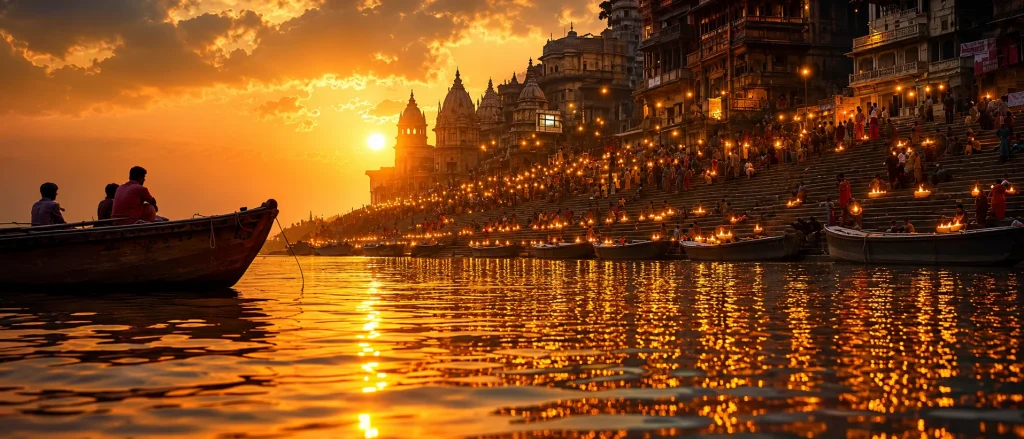
Haridwar and Rishikesh stay accessible in winter. Ganga Aarti at Har Ki Pauri in Haridwar runs every evening year-round. Mussoorie can drop to 1 degree in January with occasional snowfall, which draws Delhi travellers who want snow without the longer drive to Auli. NH-58 beyond Joshimath can close during heavy snowfall, so check road conditions before travelling to Auli between December and February.
Best Time by Trip Type: Quick Reference
Use this table to match your trip type to the right month. Many travellers combine two destinations. Char Dham and hill stations work well together in September-October, and Haridwar with Auli is a practical January combination.
| Trip Type | Best Months | Avoid | Note |
| Char Dham Yatra | May to Jun, Sep to Oct | Nov to Apr | Temples closed in winter |
| Hill Station Holiday | Mar to Jun, Oct to Nov | Jul to Aug | Landslide risk on roads |
| River Rafting, Rishikesh | Sep to Jun | Jul to Aug | Water too high in monsoon |
| Skiing, Auli | Dec to Mar | Apr to Nov | No snow outside this window |
| Valley of Flowers Trek | Late Jul to mid-Aug | Oct to Jun | Park closed outside season |
How Many Days Do You Need for an Uttarakhand Trip?
For most Uttarakhand trips, five to seven days covers one region well. Here is a practical breakdown by destination:
- 2 to 3 days: Haridwar and Rishikesh together, or Mussoorie as a standalone weekend trip from Delhi.
- 4 to 5 days: Nainital circuit including Bhimtal and Sattal, or a Rishikesh adventure trip with rafting and trekking.
- 7 days: Kumaon circuit covering Nainital, Ranikhet, and Kausani, or Auli combined with Haridwar and Rishikesh.
- 10 to 12 days: Complete Char Dham Yatra from Haridwar covering all four shrines at a comfortable pace.
- 14 days or more: Char Dham combined with a hill station stay in Mussoorie or Nainital on the return.
Rushing Char Dham in fewer than 10 days is not advisable. High-altitude roads require acclimatisation time and unpredictable road conditions can add a day to any leg of the journey.
Frequently Asked Questions
When do Char Dham temples open and close?
Char Dham temples open in late April or early May, around Akshaya Tritiya, and close in October or November around Diwali and Bhai Dooj. Kedarnath closed on Bhai Dooj in late October in 2025. Badrinath closes two to three weeks after Kedarnath. Exact dates are announced each year and change based on the Hindu calendar. Check official announcements in March before planning your trip.
What is the best time to visit Auli for snow?
January and February are the best months for snow at Auli. The skiing season runs from December to March, but December can have variable snow cover at the start of the season. January and February have the most reliable base. Auli sits between 2,500 and 3,050 metres, so temperatures in January range from minus 8 to 5 degrees Celsius.
Is Uttarakhand safe to visit during monsoon?
Most of Uttarakhand is accessible in monsoon, but high-altitude routes carry real risk. The Char Dham circuit and treks above 3,500 metres should be avoided from July to August. Haridwar, Rishikesh, and lower hill towns like Lansdowne remain safe. Valley of Flowers is a monsoon destination and is worth visiting in late July to mid-August specifically.
Can I do Char Dham Yatra in July?
Technically the temples are open in July, but road conditions on the Char Dham circuit make it a poor choice. Landslides on NH-58 and NH-7 are common in July and August. Trips get delayed or cut short without warning. May to June and September to October are significantly more reliable for Char Dham travel.
Which month has the least crowds in Uttarakhand?
October to early November. The monsoon is over, temples are still open, hill roads are clear, and footfall is much lower than the May to June peak. This is the best window for anyone who wants clear views and manageable crowds across most of Uttarakhand.
Planning a Trip to Uttarakhand?
The right time depends on where you want to go and how long you have. If you are unsure whether your planned dates work for the destinations you have in mind, Contact us. We plan trips across all seasons and can tell you quickly what works and what does not.