
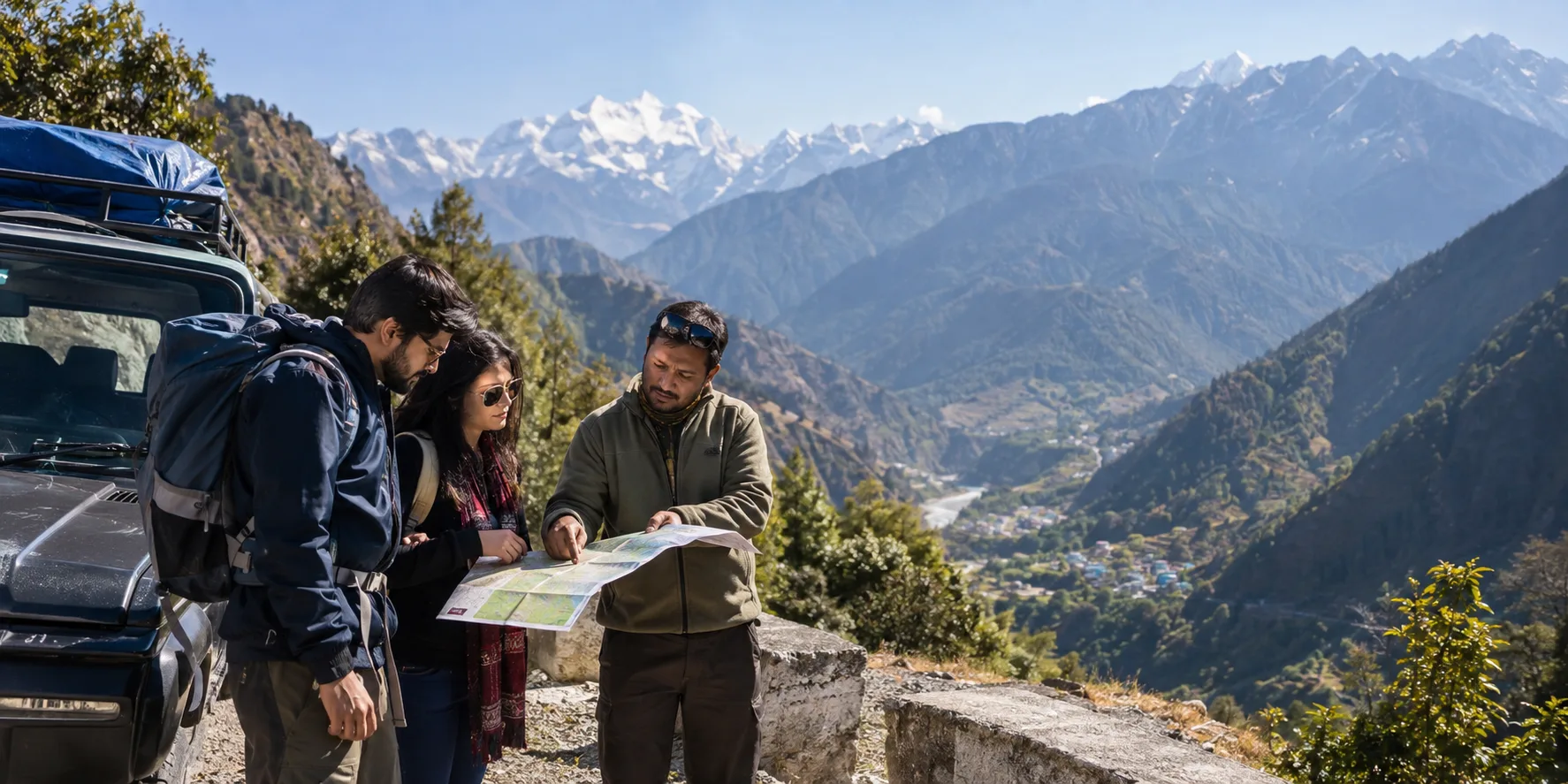
You’ve created an itinerary that looks straightforward on a map: Haridwar to Rishikesh to Mussoorie to Nainital. The route seems logical. But mountain travel is different from city sightseeing. Winding roads, changing weather, seasonal access restrictions, and limited daylight hours mean that the actual journey feels very different from what Google Maps suggests.
A local guide adds practical knowledge that helps you make better decisions while traveling, knowledge that maps and generic itineraries cannot provide. This article explains what local guides actually do, why their knowledge matters in mountain travel, and when hiring one makes sense for your trip.
Why Uttarakhand Sightseeing Is Different
Mountain travel doesn’t follow the same rules as plain driving. A 60-kilometer mountain road might take three hours instead of one hour because the road climbs steadily with hairpin turns. During monsoon season (June-September), roads become unpredictable. In winter, higher-altitude routes like those to Auli may close due to snow.
Beyond roads, several factors affect Uttarakhand sightseeing:
Weather changes rapidly. A clear morning can become overcast by afternoon. Rain makes roads slippery. Altitude affects pacing and visibility. A local guide understands these patterns and helps you plan activities accordingly.
Daylight is limited. In winter months, sunset comes early in the mountains. You need to leave early enough to reach your destination before dark, accounting for driving time and sightseeing stops.
Popular sites get crowded. Rishikesh, Haridwar, and major temples see massive crowds during festivals and peak seasons. Parking is limited. A guide knows how to time visits to avoid the worst crowds.
Public transport options are limited. Most areas require personal transportation. Access to some attractions isn’t straightforward.
Seasonal access varies. Valley of Flowers opens only mid-July to early October. Higher-altitude routes have seasonal closures. Char Dham pilgrimage routes have access restrictions.
Understanding these realities shows why a simple itinerary on a map doesn’t capture the full picture of mountain travel.
What a Local Guide Actually Adds
A good local guide is someone with practical experience in the region who understands current road conditions, realistic timing, and how to plan for your specific pace and interests.
Here’s what this means in practice:
They interpret information in context. Google Maps shows a route, but a guide explains why that route is practical now, or why a different route makes more sense given current weather, traffic, or construction.
They understand realistic timing. They know how long journeys actually take, accounting for road conditions, vehicle type, and practical stops, not just GPS estimates.
They know local logistics. Which stops serving food quickly. Which accommodations have reliable facilities at altitude. Where to park safely. Which temples have specific timing requirements. This practical knowledge matters.
They respond to changes. If weather worsens or plans change, a guide suggests alternatives quickly. They’re not dependent on spotty internet or GPS.
They add contextual knowledge. A temple has history and significance. A valley has a story. A guide shares this, transforming sightseeing from a checklist into something meaningful.
5 Key Reasons for a Local Guide
1. Better Route and Timing Planning
Mountain routes are not simply about distance. A local guide helps you choose practical routes and gives realistic time estimates. A 80-kilometer stretch might take 3.5 hours, something Google Maps won’t accurately reflect for mountain terrain. This prevents you from planning too-ambitious days or arriving in darkness.
2. Help During Weather Changes
Mountain conditions change unexpectedly. A guide monitors local conditions and helps you adjust when necessary. During monsoon season, they’re aware of potential disruptions and can suggest alternatives early. They can’t control natural events, but they help you make informed decisions.
3. Avoiding Crowds and Managing Timing
Popular Uttarakhand sites become extremely crowded during peak seasons and festivals. A guide understands these patterns and helps you time visits to avoid the worst crowds. This is especially important for Char Dham pilgrimage travel, where timing affects both crowds and practical logistics.
4. Easier Travel for Families and Seniors
Family trips require different planning. Pacing, rest stops, accessibility, and meal timing matter more. A guide structures your day around your group’s pace and comfort, making the trip manageable rather than exhausting.
5. Local Knowledge and Problem-Solving
When plans change, a hotel is full, a site closes temporarily, transportation needs adjustment, a guide quickly finds alternatives. For travelers in unfamiliar terrain, this support is genuinely valuable.
Where Local Guides Are Most Useful
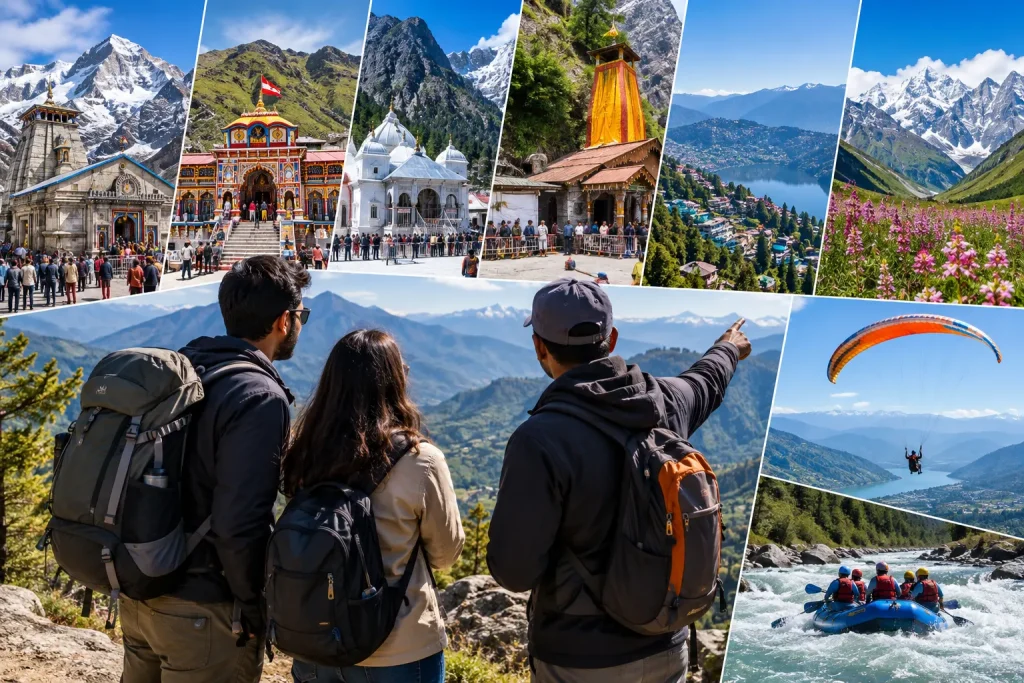
Char Dham Yatra (Kedarnath, Badrinath, Gangotri, Yamunotri): Multi-destination pilgrimage circuits with seasonal access, altitude changes, and specific logistical requirements benefit significantly from local expertise.
Multi-destination hill station tours (Mussoorie, Nainital, Chopta, Auli): Navigating between different elevations and understanding weather variations at each location requires local knowledge.
Valley of Flowers and Hemkund Sahib: Require specific seasonal timing (July-September) and understanding of trek logistics. A guide helps with proper planning.
Adventure activities: Trekking, paragliding, or water sports benefit from local expertise about current conditions and safety.
First-time visitors to Uttarakhand traveling multi-destination itineraries benefit most from local guidance. A simple single-destination visit or experienced independent travelers might not need one.
Local Guide vs Google Maps
| What Google Maps Shows | What a Local Guide Provides |
| Routes between points | Which route works best given current conditions |
| Estimated travel time | Realistic timing for mountain terrain |
| Attractions listed | Context and practical visiting tips |
| General information | Local-specific, practical knowledge |
Google Maps is valuable for navigation and finding locations. But it doesn’t know if a road is under construction, if a route is problematic during monsoon, or if estimated times assume ideal conditions that don’t exist in mountains. A guide complements Google Maps, they help you interpret information and make practical decisions.
Do You Need a Local Guide?
A guide is especially useful for:
- First-time Uttarakhand visitors
- Multi-destination trips
- Family trips with young children
- Senior traveler trips
- Char Dham Yatra
- Trekking or adventure trips
- Trips to remote areas
You may not need one if:
- You’re an experienced independent traveler
- You’re visiting a single destination for several days
- Your itinerary is flexible with no tight timing
- You’re traveling during off-season
The key question: Will a guide add genuine practical value to your specific trip?
What to Check Before Hiring a Guide
Experience with your destination. Have they actually worked in the areas you’re visiting? How long have they been operating?
Clear service description. What exactly are they providing? Are there additional costs beyond the quoted price?
Transparent pricing and cancellation policy. What’s included? What’s extra?
Realistic itinerary discussion. Do they ask about your pace and preferences, or offer only a standard itinerary?
Recent reviews. Look for recent feedback about their actual services.
Business legitimacy. Are they operating as a registered business? Can you verify contact information?
Emergency protocols. Know who to reach if something goes wrong.
Uttarakhand doesn’t have a universal “guide certification” system, so be cautious of vague certification claims.
How a Local Guide Plans Differently
A local guide approaches itinerary planning differently:
- Realistic flow: They don’t expect you to reach Auli (6+ hours from Haridwar) the same day you arrive. They plan logically across days.
- Multiple factors in timing: They account for rest stops, meals, sightseeing time, and altitude adjustment, not just driving time.
- Seasonal awareness: During monsoon, they adjust routes. During peak pilgrimage season, they schedule temple visits for less-crowded times.
- Logical sequencing: Rather than scattered jumping between areas, they think about a geographic flow that minimizes backtracking.
- Built-in rest: They recognize that mountain travel is tiring and build lighter-travel days into the itinerary.
- Customization: They build itineraries around your interests, not a standardized template.
Frequently Asked Questions
Do I need a local guide for Uttarakhand sightseeing?
It depends on your experience and trip type. First-time visitors, families, and multi-destination trips often benefit. Simple single-destination visits or experienced independent travelers might not need one.
What does a local guide do?
They help with route planning, realistic timing, local logistics, navigation, problem-solving, and contextual knowledge about destinations.
Is a guide useful for family trips?
Yes, especially with young children or older travelers. They help structure days around your pace and manage altitude and comfort considerations.
Can a guide help during Char Dham Yatra?
Yes. Char Dham involves multiple destinations with seasonal access and specific logistics where local expertise is valuable.
Is a guide worth the cost?
For complex multi-destination journeys, pilgrimage circuits, or family trips, the practical value often justifies the cost. For simple trips, it might be unnecessary.
Can I explore Uttarakhand independently?
Yes. You’ll need comfort with navigation, research, and problem-solving, but many travelers explore independently successfully.
Final Thoughts
Planning an Uttarakhand trip looks straightforward on a map. But mountain travel is different, distance doesn’t always translate to time, weather changes unpredictably, and logistics are more complex than city travel.
A local guide isn’t about surrendering independence. It’s about having someone who understands how the region actually works, well enough to help you make better decisions while traveling.
Whether that’s worth paying for depends on your trip. But if you’re planning a complex journey, traveling with family, exploring for the first time, or undertaking a pilgrimage circuit, local expertise can genuinely improve your experience.
If you’re planning an Uttarakhand trip and want personalized guidance, Explore Uttarakhand Holidays offers customized tour planning and local expertise for various destinations and circuits across the region.